In a world of constant connection and digital fatigue, it’s ironic that some of the best solutions for mental wellness come from — you guessed it — the internet. From mindfulness apps to virtual journaling companions, digital tools have evolved far beyond mood trackers. Here are some genuinely useful, often overlooked online tools to improve your mental health in fresh and intentional ways.
1. Moodnotes: Rethink Your Thinking with Cognitive Bias Reflection
Moodnotes isn’t just a journal app — it’s a cognitive distortion interrupter. Designed by clinical psychologists, this app helps users identify thought patterns rooted in negative biases like catastrophizing or black-and-white thinking. Unlike basic mood logs, Moodnotes walks you through re-framing exercises, teaching you the language of cognitive behavioral therapy (CBT) in everyday moments. Use it when you’re spiraling after a tough meeting or interpreting a friend’s delayed text as a crisis. Over time, you’ll recognize unhelpful thought loops before they dominate your day.
2. Woebot: Talk to a Robot Therapist That Actually Listens
Woebot is an AI-powered chatbot trained in psychological techniques like CBT, interpersonal therapy, and dialectical behavior therapy. But here’s the catch: Woebot doesn’t pretend to be human. That clear boundary makes it surprisingly comforting. It’s a private, always-available companion that can talk you through anxious moments, challenge your thinking, or even just ask, “How are you really doing?” This isn’t therapy replacement — it’s triage and training for your emotional resilience.
3. SoundSelf: Use Your Voice to Induce Trance-Like Calm
Meditation apps are everywhere, but SoundSelf offers something more visceral: an interactive audio-visual experience triggered by your voice. You hum or chant into a microphone, and the system responds in real-time with immersive visuals and synchronized feedback. It engages your vagus nerve, encourages deep breathing, and helps interrupt stress loops. It’s like meditation for people who hate sitting still — or anyone seeking a somatic approach to calming their nervous system.
4. Me+ (by Mooditude): Design Daily Rituals for Emotional Hygiene
Me+ goes beyond habit tracking — it helps you design mental health rituals. You build a personalized dashboard of micro-habits like gratitude practice, movement prompts, mood reflections, or even breathwork. The tool encourages you to treat mental wellness like dental hygiene: small, consistent, and preventive. This framing shifts the narrative from “fixing mental health” to building emotional resilience proactively, one ritual at a time.
5. Cove: Make Music with Your Emotions (No Skill Required)
Cove is a unique emotional expression tool that lets you create music based on how you feel — no musical background required. Instead of describing your emotions in words, you build songs using mood-based loops, rhythms, and melodies. It’s not about sounding good. It’s about giving your feelings somewhere to land. Studies show music-making can reduce cortisol levels and increase dopamine. Cove lets you externalize emotions without performance pressure.
See also: Customer Service Phone 5135384553 Business Assistance
6. Brain.fm: Tap Into Neuroscience-Backed Focus or Calm States
Forget lo-fi YouTube mixes. Brain.fm uses AI-generated music scientifically designed to influence brain states. Their patented technology targets specific neural patterns — whether you need help sleeping, focusing, or unwinding. Used consistently, it trains your brain to shift gears more easily. Unlike playlists that rely on your taste, Brain.fm personalizes tracks based on desired outcomes. It’s an ideal companion for burnout prevention and post-work decompression.
🧘 FAQ: How Digital Tools Can Support Mental Health (Even in Unexpected Places)
While therapy and self-care apps play a vital role, don’t underestimate the mental health power of human connection. Organizing a small dinner, planning a birthday gathering, or hosting a creative workshop can all serve as anchors of emotional support — especially during periods of stress, transition, or isolation. With today’s digital tools, planning and hosting these moments is easier than ever — and doing so can offer real mental health benefits. Below are frequently asked questions about how even something like invitation design can play a small but meaningful role in supporting emotional well-being.
Q1: Can designing invitations for personal events really help mental health?
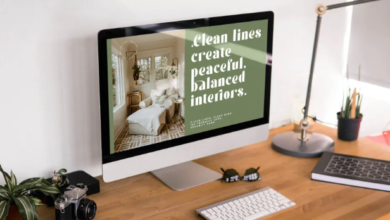
Yes, surprisingly. Engaging in small acts of creative control, like designing your own event invitations, can enhance a sense of agency and joy. Tools like Adobe Express’s online invitation maker allow you to channel creativity into visual form. Creating something tangible — even digitally — can reduce stress and serve as a subtle form of expressive therapy.
Q2: What tools can help with social anxiety around hosting events?
Platforms like Evite and Partiful simplify the logistics of social planning, reducing decision fatigue. If social anxiety stems from uncertainty, these tools create clear boundaries around who’s coming and when — allowing you to mentally prepare without spiraling into “what if” scenarios.
Q3: I get overwhelmed before social events. Is there a calming tool I can use in real time?
Absolutely. Pairing tools like Breathwrk (for breathing exercises) or Insight Timer (for guided meditations) with your pre-event routine can help down-regulate your nervous system before the event starts. Even 5 minutes of grounding can change how you enter a room.
Q4: How do I know if a digital tool is actually helping me or just distracting me?
Check how you feel immediately after using it. A good tool leaves you feeling calmer, more focused, or more understood — not agitated or empty. Apps that ask for self-reflection or offer measurable improvement in mood, focus, or sleep are more likely to be beneficial than endless scrolling or dopamine-chasing games.
Q5: Are there any social tools that focus specifically on emotional well-being?
Yes. Apps like Circles offer peer support groups around shared emotional experiences (like grief, burnout, or anxiety). These aren’t replacements for therapy but can serve as valuable connection points, especially if you’re feeling isolated or unheard.
Your mental health journey doesn’t have to start with a therapist’s office. Sometimes, it begins with a well-timed app, a micro-habit, or even the simple joy of making a beautiful invite. These tools don’t promise transformation overnight — but they do offer daily, digital nudges toward calm, clarity, and connection.